
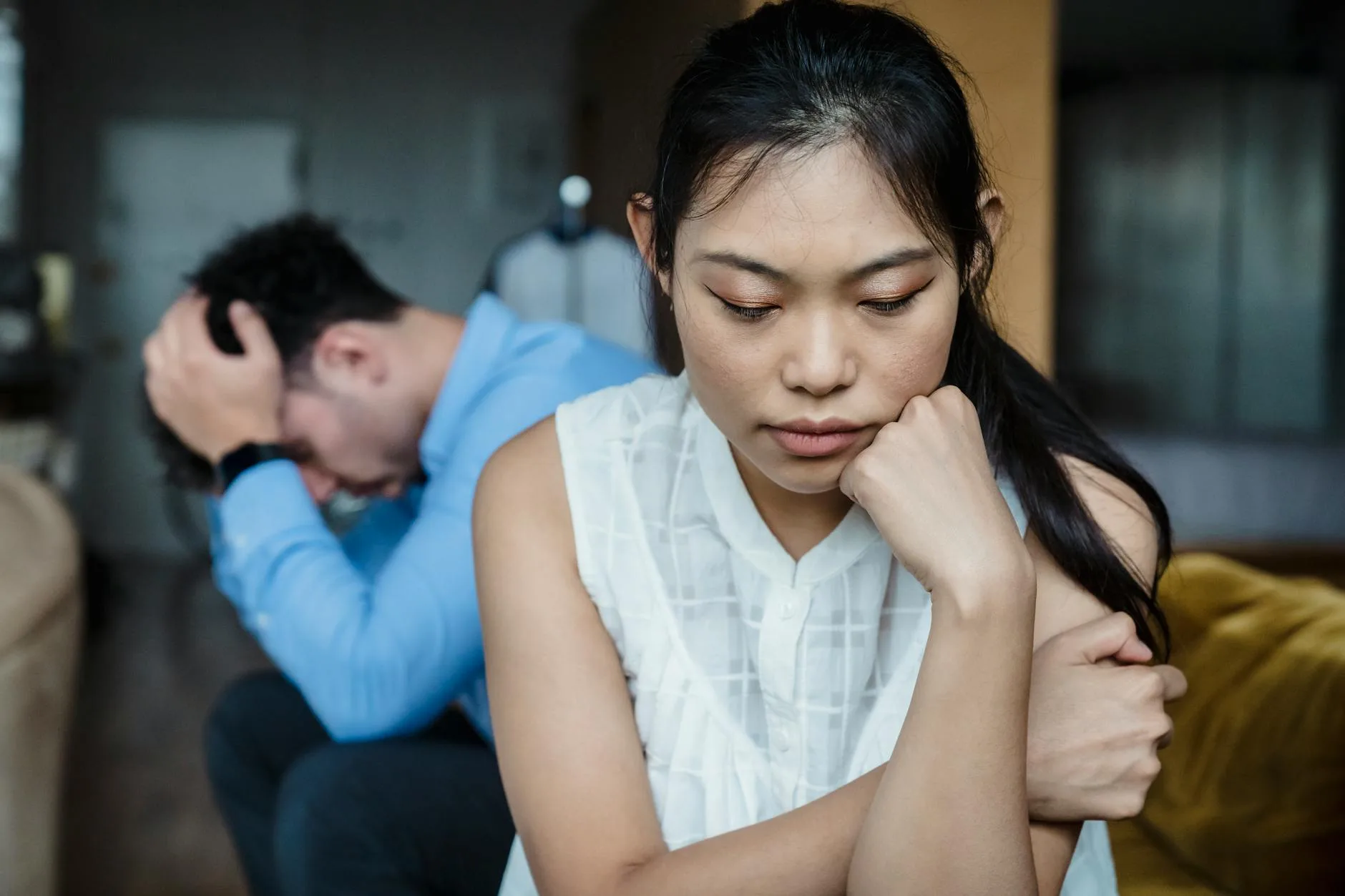
Quick answer: Emotional cheating is when someone forms a deep emotional bond with a person outside their relationship that crosses the boundaries of friendship — secrecy, emotional dependency, and romantic tension without physical contact. Key signs include hiding conversations, sharing personal problems with the other person instead of your partner, comparing your partner unfavorably, and feeling a rush when that person texts. If you recognize these signs, the fix starts with honesty — with yourself first, then with your partner.
Emotional cheating doesn’t start in a hotel room. It starts in a group chat. A work friendship that gets a little too personal. A reconnection with an old friend that feels a little too exciting. There’s no single moment where a line is clearly crossed — it builds gradually, one conversation at a time, until the emotional energy that should flow into your relationship is quietly flowing somewhere else.
And that’s what makes it so dangerous. Physical cheating has a clear boundary. Emotional cheating operates in a gray zone where both people involved can convince themselves “we’re just friends” — even when they’re not.
What Makes It Emotional Cheating — Not Just Friendship
Having close friends outside your relationship is healthy. Emotional cheating is different because of three elements:
- Secrecy. You hide the frequency or depth of contact from your partner. If you’d be uncomfortable showing your partner the full conversation, that’s secrecy.
- Emotional dependency. You go to this person for emotional support, validation, or comfort instead of your partner. They become your primary emotional outlet.
- Romantic or sexual undertone. There’s a charge — a flirtation, a tension, a “what if” — even if neither person acts on it physically.
A friendship has none of these. An emotional affair has all three.
9 Signs of Emotional Cheating
1. You Hide or Minimize Contact
You delete messages, close apps when your partner walks by, or casually say “oh, just a work thing” when asked who you’re texting. If you feel the need to conceal how much you’re talking to someone, you already know why.
2. You Share Personal Problems With Them Instead of Your Partner
Everyone vents to friends. But if you’re consistently going to this other person with your deepest frustrations, anxieties, or relationship complaints — while keeping your partner at arm’s length — you’ve redirected your emotional intimacy.
3. You Compare Your Partner to Them
“They actually listen to me.” “They get my humor.” “They care about my day.” When you start mentally measuring your partner against this other person — and your partner keeps losing — you’re investing emotionally in a comparison that erodes your relationship from within.
4. You Feel a Rush When They Text
That little dopamine hit when their name pops up on your phone. The excitement of a new message. The disappointment when they take too long to reply. That’s not how you feel about a regular friend. That’s emotional investment that looks a lot like the early stages of falling for someone.
5. You Dress Up or Perform for Them
You put extra effort into your appearance when you know you’ll see them. You rehearse witty things to say. You want to impress them. This is courtship behavior — and if it’s directed at someone other than your partner, it’s a sign of emotional investment.
6. You Talk About Your Relationship Problems With Them
Sharing minor frustrations with friends is normal. But giving a detailed download of your relationship problems to someone you’re emotionally drawn to creates a dangerous dynamic — they become the “understanding one” while your partner becomes the “problem.”
7. You Fantasize About “What If”
“What if I’d met them first?” “What if I were single?” “What if they felt the same way?” These fantasies don’t mean you’re a bad person — but they do mean your emotional energy is leaving your relationship and entering a space that threatens it.
8. Your Partner Has Expressed Concern
If your partner has said something — even casually — about this person, don’t dismiss it. Partners often sense a shift in emotional energy before they can articulate it. “You seem really close with them” or “You talk about them a lot” are early warning signals worth taking seriously.
9. You’d Be Upset if They Started Dating Someone Else
This is the clearest test. If this person announced they were in a new relationship and you felt jealous, disappointed, or a sense of loss — that’s not friendship. That’s emotional attachment that has crossed the line.
Emotional vs. Physical Cheating — What Hurts More?
| Aspect | Physical Cheating | Emotional Cheating |
|---|---|---|
| Definition | Sexual contact outside the relationship | Deep emotional bond with secrecy, dependency, and romantic undertone |
| Visibility | Easier to identify — clear physical boundary | Harder to identify — operates in gray zones |
| Duration | Can be a single event | Usually develops over weeks or months |
| Impact on partner | Feels like betrayal of body | Feels like betrayal of heart and mind |
| Recovery | Difficult but has clear “stop” point | Harder — emotional bonds don’t switch off instantly |
Research consistently shows that many people — especially women — find emotional cheating more painful than physical cheating because it involves a deeper betrayal of trust and intimacy.
What to Do If You Recognize These Signs
If You’re the One Emotionally Cheating
- Be honest with yourself first. Stop telling yourself “it’s just a friendship.” If you’re reading this article and nodding, you already know.
- Create distance. Reduce contact with the other person. You don’t need to make a dramatic announcement — just stop initiating conversations and pull back gradually.
- Redirect your emotional energy. The things you’re sharing with them — share with your partner instead. Rebuild the emotional intimacy you’ve been outsourcing.
- Talk to your partner. You don’t have to confess every detail, but acknowledge that you’ve let a friendship get too close and that you’re creating boundaries. Transparency rebuilds trust.
- Consider couples counseling. If the emotional affair revealed cracks in your relationship — unmet needs, poor communication, emotional distance — a therapist can help address the root causes.
If Your Partner Is Emotionally Cheating
- Name what you’re feeling. Trust your instincts. If something feels off, it probably is.
- Have the conversation calmly. Avoid accusations. Use “I feel” statements: “I feel disconnected from you” or “I’ve noticed you seem closer to [person] and it worries me.”
- Set clear boundaries together. What are you both comfortable with regarding outside friendships? Transparency about messages? No deleted conversations? Define what your relationship needs.
- Seek professional help if needed. If your partner dismisses your concerns or the pattern continues, couples therapy provides a neutral space to address the issue.
Emotional Cheating — FAQ
Is emotional cheating really cheating?
Yes — if it involves secrecy, emotional dependency, and a romantic or sexual undertone. The pain it causes is real, and the betrayal of emotional trust can be harder to recover from than a physical one-time event.
Can a friendship turn into emotional cheating without you realizing?
Absolutely — and that’s the most common way it happens. It’s rarely a conscious decision. It’s a slow drift: slightly deeper conversations, slightly more frequent texts, slightly more excitement. By the time you notice, you’re already invested.
Can a relationship survive emotional cheating?
Yes, but it requires honesty, distance from the third party, and often professional help. Many couples come out stronger because the affair forced them to address underlying issues they’d been avoiding.
Is it emotional cheating if nothing physical happened?
Physical contact isn’t the defining line. If there’s secrecy, emotional dependency, and romantic tension — even without a single touch — it’s emotional infidelity. The betrayal is about where your emotional energy goes, not where your body goes.
How is emotional cheating different from having a close friend?
Three tests: Would you show your partner every conversation? Do you go to this person instead of your partner for emotional support? Would you feel jealous if they dated someone else? If the answers are no, yes, and yes — it’s not just friendship.
Why do people emotionally cheat?
Common reasons include feeling emotionally neglected in the relationship, needing validation, poor communication with their partner, unresolved personal issues, or simply letting a boundary slip without recognizing it. It’s rarely about the other person being “better” — it’s usually about unmet needs.
Emotional cheating isn’t about being a bad person. It’s about letting a boundary blur until the emotional energy that holds your relationship together starts leaking somewhere else. If you see yourself in any of these signs — that awareness is your starting point. What you do next defines whether this becomes a wound or a wake-up call.
Frequently Asked Questions
Is emotional cheating really cheating?
Yes — if it involves secrecy, emotional dependency, and romantic undertone. The pain is real, and emotional trust betrayal can be harder to recover from than a physical one-time event.
Can a friendship turn into emotional cheating without you realizing?
Absolutely — that’s the most common way. It’s never a conscious decision. Slightly deeper conversations, more frequent texts, more excitement. By the time you notice, you’re invested.
Can a relationship survive emotional cheating?
Yes, with honesty, distance from the third party, and often professional help. Many couples come out stronger because it forced them to address underlying issues.
Is it emotional cheating if nothing physical happened?
Physical contact isn’t the defining line. Secrecy, emotional dependency, and romantic tension — even without touch — constitute emotional infidelity. It’s about where emotional energy goes.
How is emotional cheating different from having a close friend?
Three tests: Would you show your partner every conversation? Do you go to them instead of your partner for emotional support? Would you be jealous if they dated someone? No, yes, yes = not just friendship.
Why do people emotionally cheat?
Common reasons: feeling emotionally neglected, needing validation, poor communication with partner, unresolved personal issues, or letting a boundary slip. Usually about unmet needs, not the other person.