
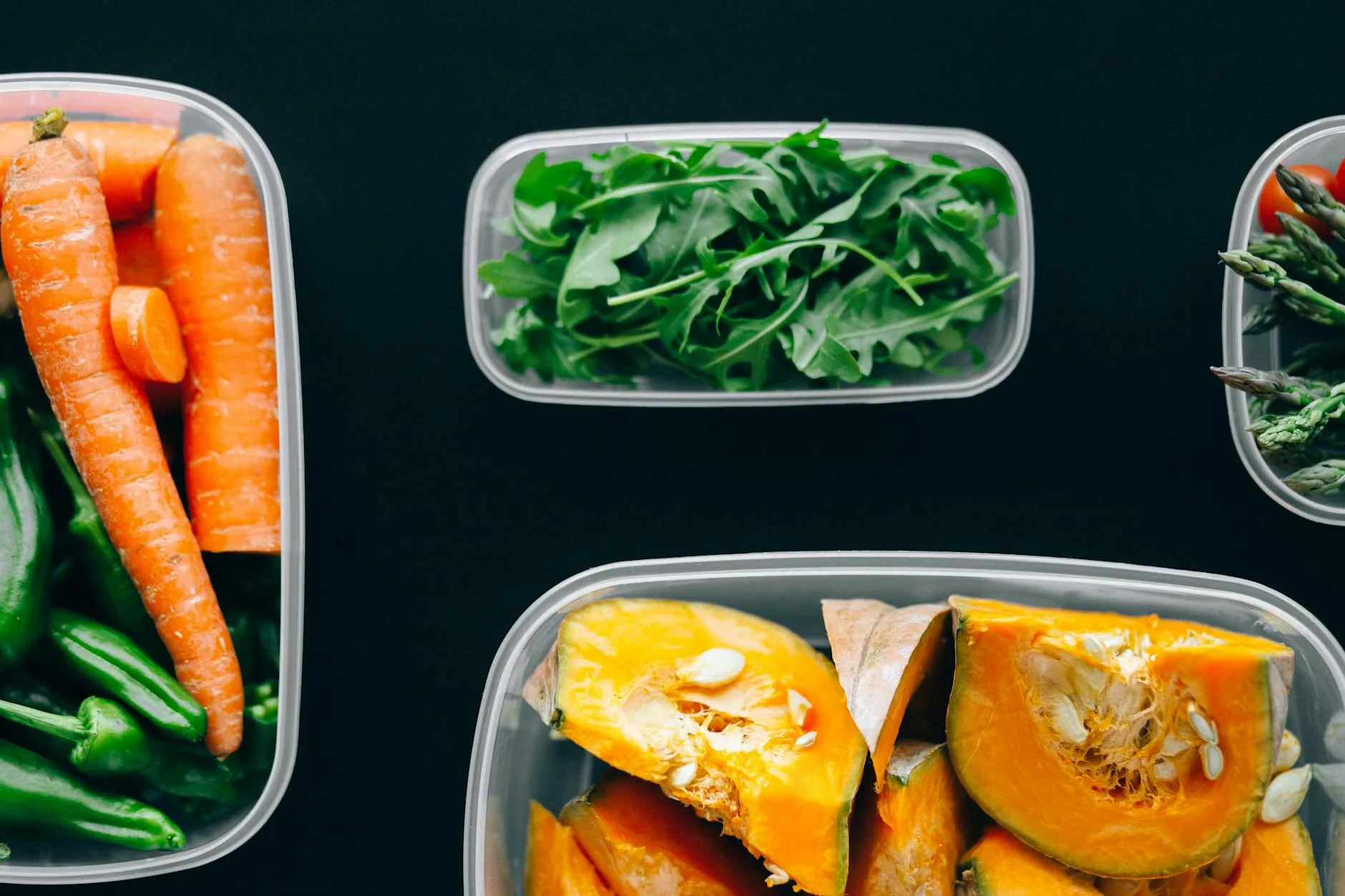
Quick Answer: Pick 2-3 proteins, 2-3 grains or starches, and 3-4 vegetables. Batch cook everything simultaneously using your oven, stovetop, and rice cooker at the same time. Store in portioned containers. The key is cooking in parallel, not sequentially — that’s what keeps you under 2 hours.
Why Meal Prep Changes Everything
The biggest time and money drain in most households isn’t one big expense — it’s the daily cycle of deciding what to eat, running to the store for missing ingredients, cooking from scratch, and cleaning up afterward. Multiply that stress by seven days and it becomes clear why so many people default to takeout and delivery.
Meal prep breaks that cycle completely. One focused session on the weekend sets you up with ready-to-eat or heat-and-serve meals for the entire week. The average meal prepper saves $50-100 per week compared to eating out and reclaims 5-7 hours of weekday cooking time. That’s real money and real time you get back.
And no, it doesn’t mean eating the same boring chicken and rice every day. The system below keeps things flexible and flavorful.
The Sunday Planning Session — 10 Minutes That Save Hours
Before you touch a cutting board, spend 10 minutes planning. This is the step most people skip, and it’s the reason most people fail at meal prep. Without a plan, you’ll wander the grocery store, overbuy, underbuy, or end up with ingredients that don’t work together.
Use the 2-3-4 formula: pick 2 proteins (chicken thighs and ground turkey, for example), 3 starches or grains (rice, sweet potatoes, and pasta), and 4 vegetables (broccoli, bell peppers, zucchini, and spinach). This gives you enough variety to mix and match throughout the week without overwhelming your cooking session.
Write your grocery list based on the formula. Check what you already have at home first. Most weeks, your grocery run should take 20-30 minutes and cost $40-60 for one person or $80-120 for a family — a fraction of what daily cooking or takeout costs.
The Parallel Cooking System — Your Secret Weapon
The reason most meal preps take forever is that people cook things one at a time. The parallel cooking system changes that entirely. You’ll use your oven, stovetop, and any countertop appliance simultaneously so everything finishes within the same window.
Here’s the flow: Start by preheating your oven to 400°F (200°C). While it heats, season your proteins and chop all your vegetables in one batch. Get your grains started on the stovetop or in a rice cooker — rice and quinoa take 15-20 minutes and need zero attention once started.
Sheet pan your proteins and roasting vegetables at the same time. Chicken thighs, salmon, or sausages go on one pan. Broccoli, sweet potatoes, and peppers go on another. Everything roasts together for 20-25 minutes. Meanwhile, your grains are cooking on the counter, and you can sauté a quick vegetable like spinach or zucchini on the stovetop.
By the time your oven timer goes off, nearly everything is done simultaneously. That’s the power of parallel cooking — 45 minutes of actual cooking produces enough food for 15-20 meals.
Smart Containers and Storage That Keeps Food Fresh
Investing in good containers is the one expense that pays for itself immediately. Glass containers with snap lids are the gold standard — they don’t stain, don’t absorb odors, are microwave safe, and last for years. A set of 10-12 containers covers a full week for most people.
Portion everything while the food is still warm — it’s easier to handle and you won’t forget later. Most meals follow a simple ratio: one palm-sized portion of protein, one fist-sized portion of grain, and one to two fists of vegetables. Adjust based on your calorie needs.
Properly stored meal prep lasts 4-5 days in the refrigerator. For the second half of the week, freeze those containers and move them to the fridge the night before you need them. This keeps everything fresh without sacrificing convenience.
The Mix-and-Match Strategy — Never Eat Boring Meals
The biggest complaint about meal prep is monotony. Eating the same chicken and broccoli five days straight would make anyone quit. The solution is cooking neutral base ingredients and varying the flavoring throughout the week.
Cook your chicken plain with just salt and pepper. On Monday, top it with teriyaki sauce and serve with rice. On Wednesday, shred it into a wrap with hot sauce and avocado. On Friday, toss it with pasta and marinara. Same protein, three completely different meals. Keep a rotation of 5-6 sauces and seasonings — sriracha, Italian dressing, curry paste, salsa, pesto, soy sauce — and you’ll never run out of combinations.
Fresh toppings added at mealtime also break the repetition. A squeeze of lime, some fresh cilantro, a handful of nuts, or a drizzle of tahini transforms a simple bowl into something that feels intentional and satisfying.
The Complete 2-Hour Sunday Schedule
Here’s exactly how a typical Sunday meal prep session flows from start to finish. Minutes 0-10: Plan your meals and prep your workspace. Minutes 10-25: Chop all vegetables and season all proteins in one batch. Minutes 25-30: Start grains on the stovetop or rice cooker. Sheet pan proteins and vegetables into the oven. Minutes 30-55: While everything cooks, prep any raw items — salad ingredients, overnight oats, snack bags, or breakfast items. Clean as you go. Minutes 55-70: Remove cooked items, let them cool slightly. Cook any quick stovetop items like stir-fried vegetables or scrambled eggs for breakfast burritos. Minutes 70-90: Portion everything into containers. Label if needed. Stack in the fridge and freezer. Minutes 90-110: Clean up kitchen, wipe down counters, and you’re done.
Under two hours. Fifteen to twenty meals. An entire week of stress-free eating.
Start Small If You’re New to This
If a full week feels overwhelming, start by prepping just lunches for the work week — five meals. That alone saves significant money and eliminates the daily temptation of overpriced takeout. Once you’ve got the rhythm down, expand to dinners, then breakfasts, then snacks.
The habit matters more than perfection. A mediocre meal prep that you actually do beats an elaborate plan that stays on Pinterest. Keep it simple, keep it consistent, and the system becomes second nature within three or four weeks.
Frequently Asked Questions
How long does meal prep food last in the fridge?
Properly stored meal prep lasts 4-5 days refrigerated. For days 5-7, freeze containers and thaw overnight in the fridge before eating.
How much does meal prep save per week?
The average meal prepper saves $50-100 per week compared to eating out or ordering delivery, plus 5-7 hours of weekday cooking time.
What containers are best for meal prep?
Glass containers with snap lids are ideal — they don’t stain, don’t absorb odors, are microwave safe, and last for years. A set of 10-12 covers most needs.
How do I avoid eating the same thing every day?
Cook neutral base ingredients and vary sauces and toppings throughout the week. Keep 5-6 different sauces on hand and add fresh toppings at mealtime.
Can I meal prep if I'm a beginner cook?
Absolutely. Meal prep uses basic techniques — roasting, boiling grains, and chopping. Start with just 5 lunches per week and expand as you get comfortable.
What's the best day to meal prep?
Sunday is most popular, but any day works. Some people prefer splitting prep between Sunday and Wednesday to keep the second half of the week fresher.