
Quick Answer: To organize your kitchen permanently, create zones (cooking, prep, cleaning, storage), declutter items you don’t use, store things where you use them, clear your countertops, and use vertical space with shelf risers and hooks. A well-organized kitchen saves time daily and makes cooking enjoyable instead of stressful.
If you want to organize your kitchen so it actually stays organized, you need a system — not just a weekend of cleaning that falls apart within a week. Most kitchen messes happen because things don’t have designated homes, so they end up wherever there’s space.
The fix is simpler than a full renovation. It’s about zones, decluttering, and setting things up so the organized state is easier to maintain than the messy one. Here’s how to organize your kitchen for good.
1. Create Kitchen Zones
Professional kitchens run on zones — and yours should too. Divide your kitchen into 4-5 zones based on activity: cooking zone (near the stove), prep zone (near your main counter space), cleaning zone (near the sink), storage zone (pantry and fridge), and serving zone (near plates and glasses).
Store items in the zone where they’re used. Spatulas and pans near the stove. Cutting boards and knives near the prep counter. Dish soap and sponges near the sink. When everything lives where it’s used, you stop walking back and forth and the kitchen naturally stays organized.
2. Declutter Before You Organize Your Kitchen
You can’t organize clutter — you can only rearrange it. Before buying a single storage container, pull everything out and sort it into three piles: keep, donate, and toss.
Be ruthless. If you haven’t used a gadget in a year, you don’t need it. Duplicate tools, cracked containers, mismatched lids, novelty appliances gathering dust — let them go. Most kitchens have 30-40% more stuff than they need. Removing the excess is half the battle when you organize your kitchen properly.
3. Clear Your Countertops
Counter space is the most valuable real estate in your kitchen. Every item sitting on the counter that you don’t use daily is stealing space and creating visual clutter.
Keep only daily-use items out: coffee maker, knife block, cooking oil, salt. Everything else goes in cabinets, drawers, or the pantry. Clear countertops make your kitchen feel bigger, cleaner, and easier to work in. They’re also dramatically easier to wipe down, which helps you maintain the organized state.
4. Use the “First In, First Out” Rule for Food
When you put groceries away, move older items to the front and newer items to the back. This simple habit prevents food from expiring in the back of your fridge or pantry while you keep buying the same things.
Apply this to your fridge, pantry, and freezer. It reduces food waste, saves money, and keeps your food storage areas naturally organized without much effort.
5. Maximize Vertical Space
Most kitchens waste the space between shelves and above cabinets. This is prime storage territory that can help you organize your kitchen without needing more square footage.
Add shelf risers inside cabinets to create a second level for plates and bowls. Install hooks under cabinets for mugs or utensils. Use the inside of cabinet doors for spice racks, measuring cup hooks, or lid organizers. Mount a wall-mounted rack for pots and pans. Every vertical inch you use is floor and counter space you save.
6. Use Clear Containers for Dry Goods
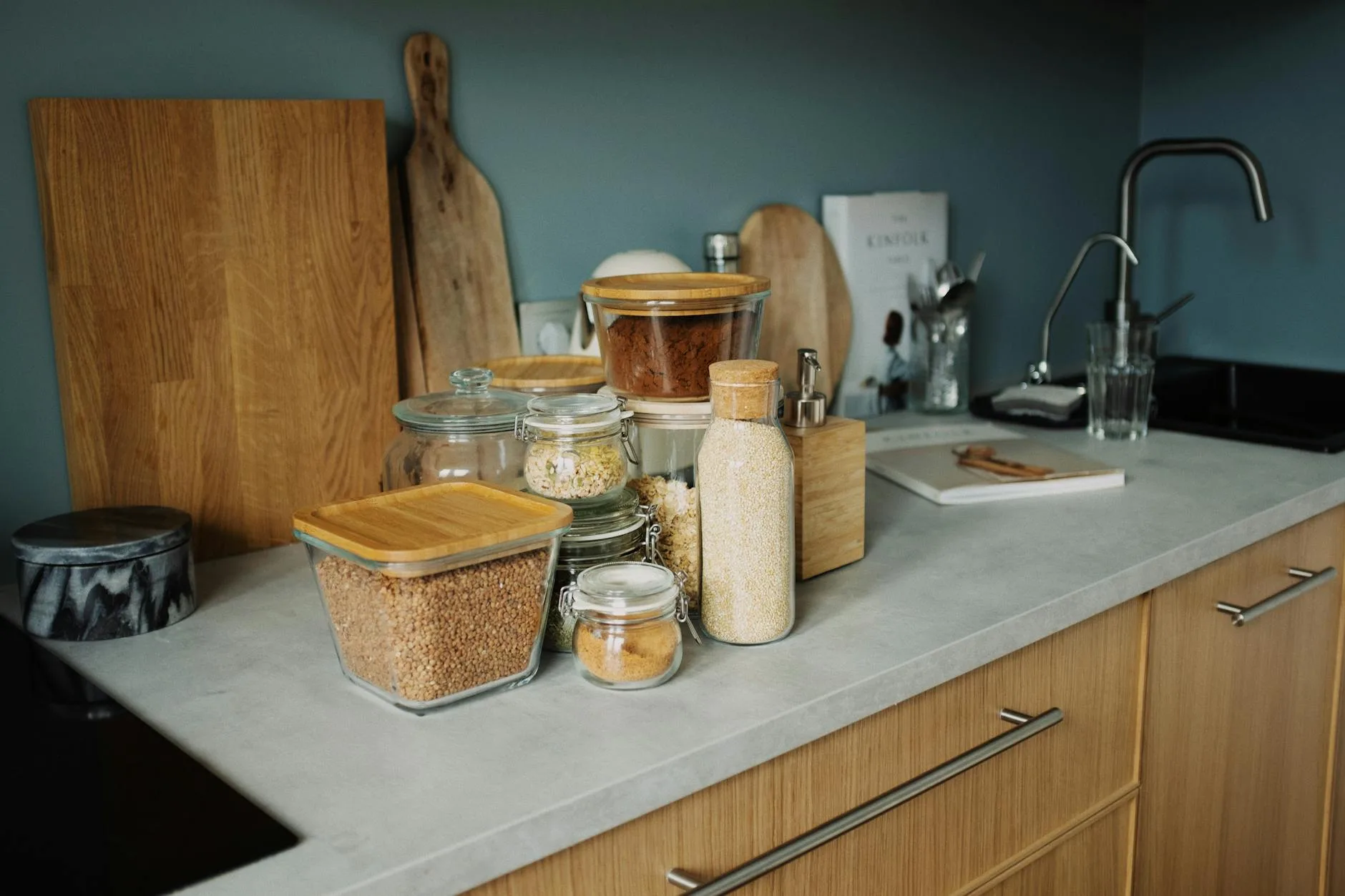
Transfer dry goods like rice, pasta, flour, sugar, and cereal into clear, airtight containers. This does three things: you can see exactly what you have (no more buying duplicates), food stays fresh longer, and your pantry looks organized instead of chaotic.
Label everything — even if it seems obvious. Labeling removes guesswork and helps anyone in your household find and put back items correctly. Square or rectangular containers use shelf space more efficiently than round ones.
7. Organize Drawers With Dividers
Kitchen junk drawers happen because everything gets tossed in without boundaries. Drawer dividers transform chaos into organized compartments where everything has a specific slot.
Use dividers in utensil drawers, junk drawers, and even deep drawers used for pots and pans. Adjustable bamboo dividers work for most drawer sizes. Group similar items together: all measuring tools in one section, all serving utensils in another, all small tools in a third.
8. Organize Under the Sink
Under the kitchen sink is where cleaning supplies go to create a tangled mess. The solution is a tension rod and some stackable bins.
Install a tension rod across the cabinet and hang spray bottles from it. Use stackable bins or a two-tier shelf to separate cleaning products, sponges, trash bags, and dishwasher pods. A small turntable (lazy Susan) works great under the sink for bottles you need to access frequently.
9. Keep a Donation Box in the Kitchen
Organization isn’t a one-time event — stuff accumulates constantly. Keep a small box or bag in a cabinet where you can toss items you realize you don’t need as you come across them.
When it’s full, donate it. This prevents the slow creep of clutter that undoes all your organizing work. It’s easier to maintain a kitchen you regularly edit than to do a massive overhaul every few months.
10. Create a “Landing Zone” for Daily Items
Keys, mail, wallets, and random items that don’t belong in the kitchen always end up on kitchen counters. Create a designated landing zone — a small tray, basket, or wall-mounted organizer — near the kitchen entrance for these items.
This keeps non-kitchen clutter contained in one spot instead of spreading across your countertops. It’s a small change that makes a disproportionate difference in keeping your kitchen looking organized.
How to Keep Your Kitchen Organized Permanently
The secret to a permanently organized kitchen isn’t discipline — it’s making the organized state easier than the messy one. When everything has a logical home in the zone where it’s used, putting things away takes almost no thought. When counters are clear by default, messes stand out and get cleaned quickly. Organize your kitchen once using these principles and maintenance becomes almost automatic. The system does the work for you.
Frequently Asked Questions
How do I organize a small kitchen with limited storage?
Use vertical space (shelf risers, wall hooks, over-door organizers), clear countertops of non-daily items, use the inside of cabinet doors for storage, and declutter aggressively. Small kitchens benefit the most from the zone system.
What should I keep on my kitchen countertops?
Only items you use every day: coffee maker, knife block, cooking oil, and salt. Everything else should go in cabinets or drawers. Clear counters make your kitchen feel bigger and are easier to keep clean.
How do I organize kitchen cabinets?
Use shelf risers to create levels, group similar items together, store things near where they’re used (pots near the stove, glasses near the fridge), and use the inside of doors for small item storage.
Are clear containers worth it for pantry organization?
Yes. Clear containers let you see what you have at a glance (preventing duplicate purchases), keep food fresh longer, and make your pantry look consistently organized. Square containers use shelf space more efficiently than round ones.
How do I organize under the kitchen sink?
Install a tension rod to hang spray bottles, use stackable bins to separate cleaning products, and add a small turntable for frequently accessed items. A two-tier shelf can double the usable space.
How long does kitchen organization last?
With the zone system and regular editing (keeping a donation box for items you no longer need), organization can be permanent. The key is making the organized state easier to maintain than the messy one.