
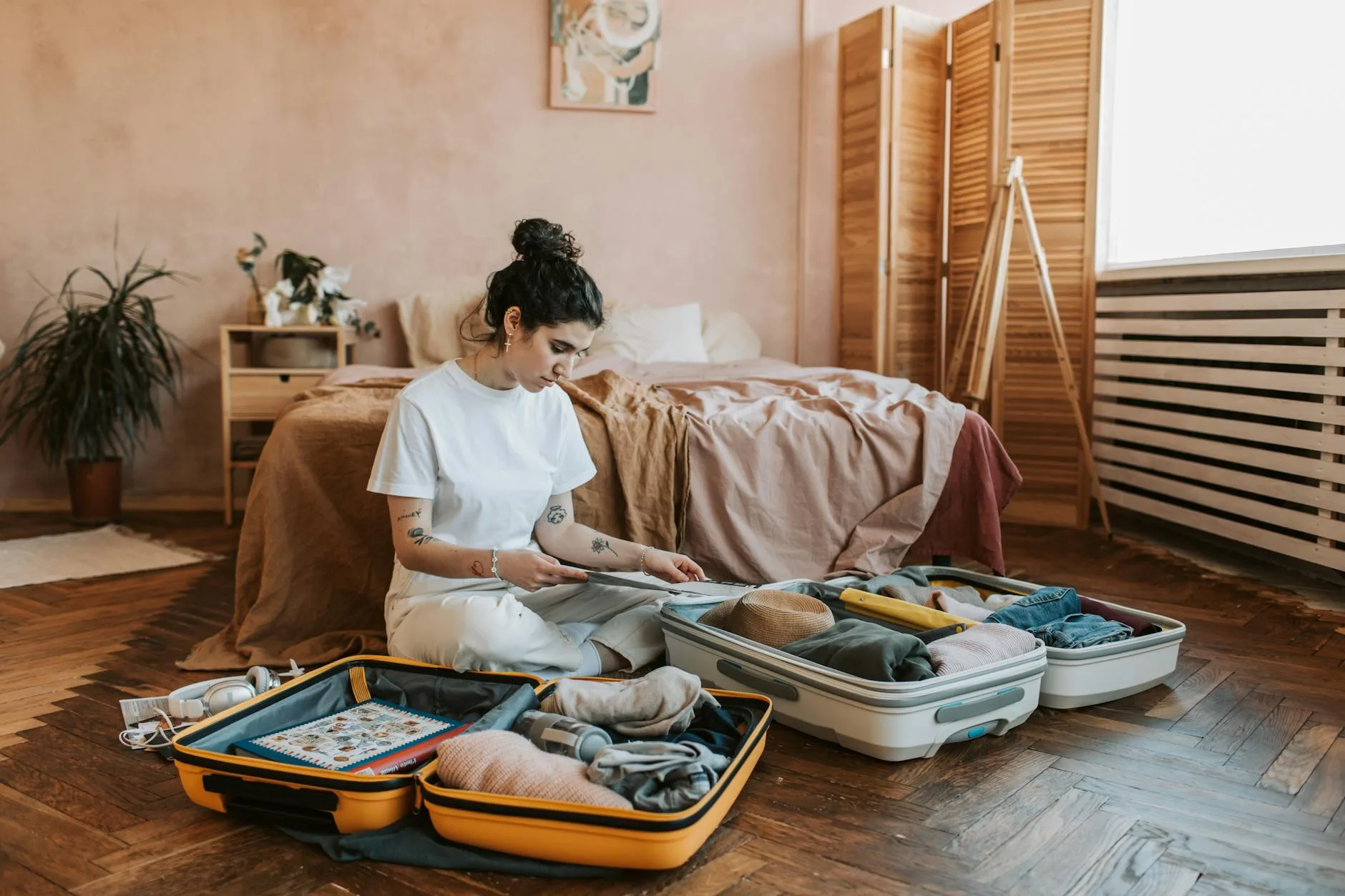
Quick Answer: To pack light, build a capsule wardrobe of 5-7 mix-and-match pieces in neutral colors, roll clothes instead of folding, use packing cubes, wear your bulkiest items on the plane, and limit shoes to two pairs. Most people can comfortably travel for 1-2 weeks with just a carry-on bag.
If you want to learn how to pack light, you probably already know what overpacking feels like — wrestling a bloated suitcase through airports, paying checked bag fees, and wearing about 40% of what you brought while the rest sits untouched in the hotel room.
Packing light isn’t about suffering with fewer options. It’s about packing smarter so you bring exactly what you need and nothing you don’t. Here’s how to pack light for any trip, any destination, any length of stay.
1. Build a Capsule Wardrobe of 5-7 Pieces
The key to packing light is a capsule wardrobe — a small set of clothes that all mix and match with each other. Stick to a neutral color palette (black, navy, grey, white, khaki) so every top works with every bottom.
For a one-week trip, you need roughly 3 tops, 2 bottoms, 1 light layer (jacket or cardigan), and 1 dressy option. That gives you enough combinations for a different outfit every day. Fabrics that resist wrinkles and dry quickly (merino wool, nylon blends, polyester) are ideal for travel.
2. Roll Your Clothes Instead of Folding
Rolling takes up less space than folding and creates fewer wrinkles. Lay each garment flat, fold in the sleeves or sides, then roll tightly from bottom to top.
This technique alone can save you 20-30% of suitcase space. For extra compression, use rubber bands or packing straps to keep rolls tight. Rolling also makes it easier to see everything in your bag without digging through layers.
3. Use Packing Cubes
Packing cubes are small zippered bags that organize your suitcase into compartments. They compress clothes, keep categories separated (tops in one cube, bottoms in another), and make packing and unpacking dramatically faster.
Compression packing cubes are especially useful when you need to pack light — they squeeze air out and can reduce the volume of your clothes by up to 50%. Once you try them, you’ll never pack without them again.
4. Limit Shoes to Two Pairs Maximum
Shoes are the heaviest and bulkiest items in any suitcase. Two pairs is enough for almost any trip: one comfortable walking pair and one dressier option that still works for casual situations.
Wear the bulkier pair on the plane and pack the lighter pair. Choose versatile colors that work with all your outfits. If you’re going to the beach, a pair of flip-flops barely takes up space and counts as your second pair.
5. Wear Your Heaviest Items on the Plane
Your jacket, boots, jeans, and heaviest layers should be on your body when you board, not in your bag. This is one of the simplest ways to pack light because it removes the bulkiest items from your luggage entirely.
It might feel odd wearing a jacket in a warm airport, but you can take it off once seated. Airlines don’t weigh what you’re wearing — they weigh what you’re carrying. Use this to your advantage.
6. Downsize Your Toiletries
Full-size bottles of shampoo and body wash are a huge waste of suitcase space and weight. Transfer products into travel-size containers (100ml or under) or buy solid alternatives — bar shampoo, solid deodorant, and bar soap take up a fraction of the space.
Most hotels provide basics like shampoo and body wash. Skip packing what you can get at your destination. A small toiletry bag with travel-size essentials is all you need to pack light without sacrificing hygiene.
7. Plan to Do Laundry
The secret weapon of light packers: they don’t bring enough clothes for every day of the trip. They bring enough for 4-5 days and plan to wash mid-trip.
Most accommodations have laundry facilities or there are laundromats nearby. You can also hand-wash quick-dry fabrics in a sink and hang them overnight. Packing for half the trip and washing once means you can travel for two weeks with a carry-on.
8. Digitize Everything Possible
Books, guidebooks, maps, boarding passes, travel documents — all of this can live on your phone or tablet. One device replaces pounds of paper and entertainment options.
Download offline maps (Google Maps works offline), e-books, and entertainment before your trip. Store travel documents in a cloud folder accessible from any device. The less physical stuff you carry, the lighter your pack.
9. Apply the “What If” Test
For every item you’re considering packing, ask: “What’s the realistic consequence if I don’t bring this?” If the answer is “I can buy it for a few dollars at my destination” or “I’ll survive without it,” leave it behind.
Most people overpack because they prepare for unlikely scenarios. You probably won’t need three just-in-case outfits, a hair dryer (hotels have them), or that fourth pair of shoes. Pack for your actual plans, not hypothetical situations that rarely happen.
10. Choose the Right Bag
The bag you choose determines how much you pack. A 40-45 liter backpack or a carry-on sized suitcase (usually 55 x 40 x 20 cm) forces you to be selective. A huge suitcase invites you to fill it.
If you’re serious about learning how to pack light, downsize your bag first. Your packing will naturally adjust to fit. A carry-on only approach also means no checked bag fees, no waiting at baggage claim, and no risk of lost luggage. It’s faster, cheaper, and less stressful in every way.
Pack Light, Travel Better
Every experienced traveler will tell you the same thing: they wish they’d learned how to pack light sooner. Dragging less stuff through airports, train stations, and cobblestone streets changes the entire travel experience. You move faster, stress less, and realize you never needed half of what you used to bring. Start with your next trip — cut your usual packing list in half and see how it feels. You’ll probably never go back.
Frequently Asked Questions
How do I pack light for a two-week trip?
Use a capsule wardrobe of 5-7 mix-and-match pieces, plan to do laundry once mid-trip, limit shoes to two pairs, and use packing cubes. Most people can comfortably travel for two weeks with just a carry-on using this approach.
Is rolling clothes really better than folding?
Yes. Rolling saves 20-30% of space compared to folding, creates fewer wrinkles, and makes it easier to see everything in your bag. For extra compression, use rubber bands or compression packing cubes.
What size bag should I use for packing light?
A 40-45 liter backpack or standard carry-on suitcase (55 x 40 x 20 cm) is ideal. Smaller bags force you to be selective and prevent overpacking.
How many outfits do I need for a week-long trip?
About 3 tops, 2 bottoms, 1 light layer, and 1 dressy option. With a neutral color palette, these mix and match into 6-8 distinct outfits — more than enough for a week.
Are packing cubes worth it?
Absolutely. Packing cubes organize your suitcase, compress clothes, and make packing and unpacking much faster. Compression cubes can reduce clothing volume by up to 50%.
What should I wear on the plane to pack lighter?
Wear your bulkiest and heaviest items: jacket, boots or heavy shoes, and jeans or thick pants. Airlines weigh your bag, not you. This can free up significant space and weight in your luggage.