
Quick Answer: Cook a fancy dinner at home for under ₹500 by choosing cheap cuts and upgrading them with technique (searing for crust, resting for juiciness), making a simple pan sauce from the drippings, roasting vegetables at high heat for caramelization, plating on white plates with height and negative space, and adding cheap finishing touches — fresh herbs, a drizzle of good oil, and a squeeze of lemon. What makes food feel “fancy” isn’t the ingredients — it’s the technique and presentation.
Why Fancy Food Isn’t Actually Expensive
Here’s a secret that restaurants don’t advertise: most “fancy” dishes use cheap ingredients. Pasta costs almost nothing. Chicken thighs are affordable everywhere. Rice, eggs, vegetables, and lentils are the backbone of the world’s most celebrated cuisines.
What restaurants charge for isn’t ingredients — it’s technique, presentation, and atmosphere. A perfectly seared chicken thigh with a pan sauce, roasted vegetables, and a garnish of fresh herbs looks and tastes like a ₹2,000 restaurant dish. Total ingredient cost? Under ₹300.
You don’t need expensive ingredients. You need a hot pan, 30 minutes, and a few tricks that make everything look and taste like it came from a professional kitchen.
1. Choose Cheap Ingredients That Look Expensive
Some affordable foods naturally feel elegant. Use them as the foundation of your dinner.
- Chicken thighs over breast. Thighs are cheaper, juicier, harder to overcook, and develop a better sear. A crispy-skinned chicken thigh looks restaurant-worthy
- Pasta. The ultimate budget luxury food. Good pasta, garlic, olive oil, chili flakes, and Parmesan (even a small block goes a long way) = a dish that tastes like an Italian restaurant
- Eggs. A perfectly fried egg with runny yolk on top of anything — rice, noodles, vegetables — immediately elevates it. Eggs cost almost nothing and look incredible
- Paneer or tofu. Pan-fried until golden and crispy, these cheap proteins look elegant on any plate
- Root vegetables. Carrots, sweet potatoes, and beetroot roasted at high heat become caramelized, sweet, and beautiful. ₹30-50 worth of vegetables can look like a side dish at a fine restaurant
2. Master the Sear (This Is the Whole Secret)
The difference between “home-cooked” and “restaurant-quality” is almost always the sear. That golden-brown crust on protein isn’t decoration — it’s where all the complex, rich flavor lives.
- Get the pan screaming hot. Heat your pan for 2-3 minutes before adding oil. When the oil shimmers and barely starts to smoke, you’re ready. Most home cooks use pans that are way too cool
- Dry the surface. Pat chicken, paneer, or tofu completely dry with a paper towel before it hits the pan. Moisture = steaming. Dry surface = searing. This is the most overlooked step in home cooking
- Don’t touch it. Place the protein in the pan and leave it alone for 3-4 minutes. Don’t flip, don’t press, don’t peek. The crust forms from uninterrupted contact with the hot surface
- Flip once. When the bottom is deep golden brown, flip. Cook the other side. Done. Two flips maximum for any protein
- Rest before cutting. Let meat rest 5 minutes after cooking. The juices redistribute. Cut too early and all the juice runs onto the plate instead of staying in the meat
3. The Pan Sauce (2 Minutes, Zero Extra Cost)
After searing protein, your pan is full of brown bits stuck to the bottom. This is called fond — and it’s concentrated flavor. Don’t wash it away. Turn it into a sauce.
- Remove the protein from the pan. Keep the heat on medium
- Add liquid: A splash of water, stock, wine, or even lemon juice. About ¼ cup. It’ll sizzle and bubble immediately
- Scrape the bottom with a wooden spoon. All those brown bits dissolve into the liquid. This is flavor gold
- Add butter (optional but incredible): A small knob of butter swirled into the sauce makes it glossy, rich, and restaurant-smooth
- Season: Salt, pepper, a squeeze of lemon. Pour over the protein
This two-minute sauce costs almost nothing but transforms a simple chicken thigh or paneer into something that tastes like it came with a wine list.
4. Roast the Vegetables (Fancy’s Easiest Side Dish)
Steamed or boiled vegetables say “weeknight dinner.” Roasted vegetables say “I know what I’m doing in the kitchen.”
- Cut evenly. Similar-sized pieces cook at the same rate and look better on the plate
- High heat: 200-220°C (400-425°F). Toss with olive oil, salt, pepper. Optional: cumin, smoked paprika, or chili flakes
- Single layer, not crowded. Crowded vegetables steam instead of roasting. Give them space to brown
- Best budget options: Carrots (slice diagonally for elegance), cauliflower (roasts beautifully), sweet potato (naturally caramelizes), bell peppers, zucchini, broccoli
5. Plate Like a Restaurant (It’s Easier Than You Think)
Plating is where home-cooked food becomes “fancy” food. It takes 60 seconds and costs nothing.
- Use white plates. White makes food look more vibrant and elegant. If you don’t have white plates, any solid-color plate works — avoid busy patterns
- Less food, more space. Don’t pile everything in the center. Use negative space. A restaurant plate is never full edge-to-edge. Leave room around the food
- Build height. Stack components instead of spreading them flat. Vegetables as a base, protein on top, sauce drizzled around. Height creates visual drama
- Wipe the rim. Clean the edges of the plate with a damp cloth before serving. No drips, no smudges. This alone makes the plate look professional
- Garnish with purpose. A few fresh herb leaves (cilantro, basil, parsley), a drizzle of olive oil, or a sprinkle of sesame seeds. One garnish, placed intentionally — not scattered randomly
6. Set the Atmosphere (Free Upgrade)
Restaurants charge for ambiance. You can create it for free.
- Dim the lights. Overhead fluorescent lights make everything look like a cafeteria. Turn them off. Use a table lamp, string lights, or even your phone’s flashlight behind a glass
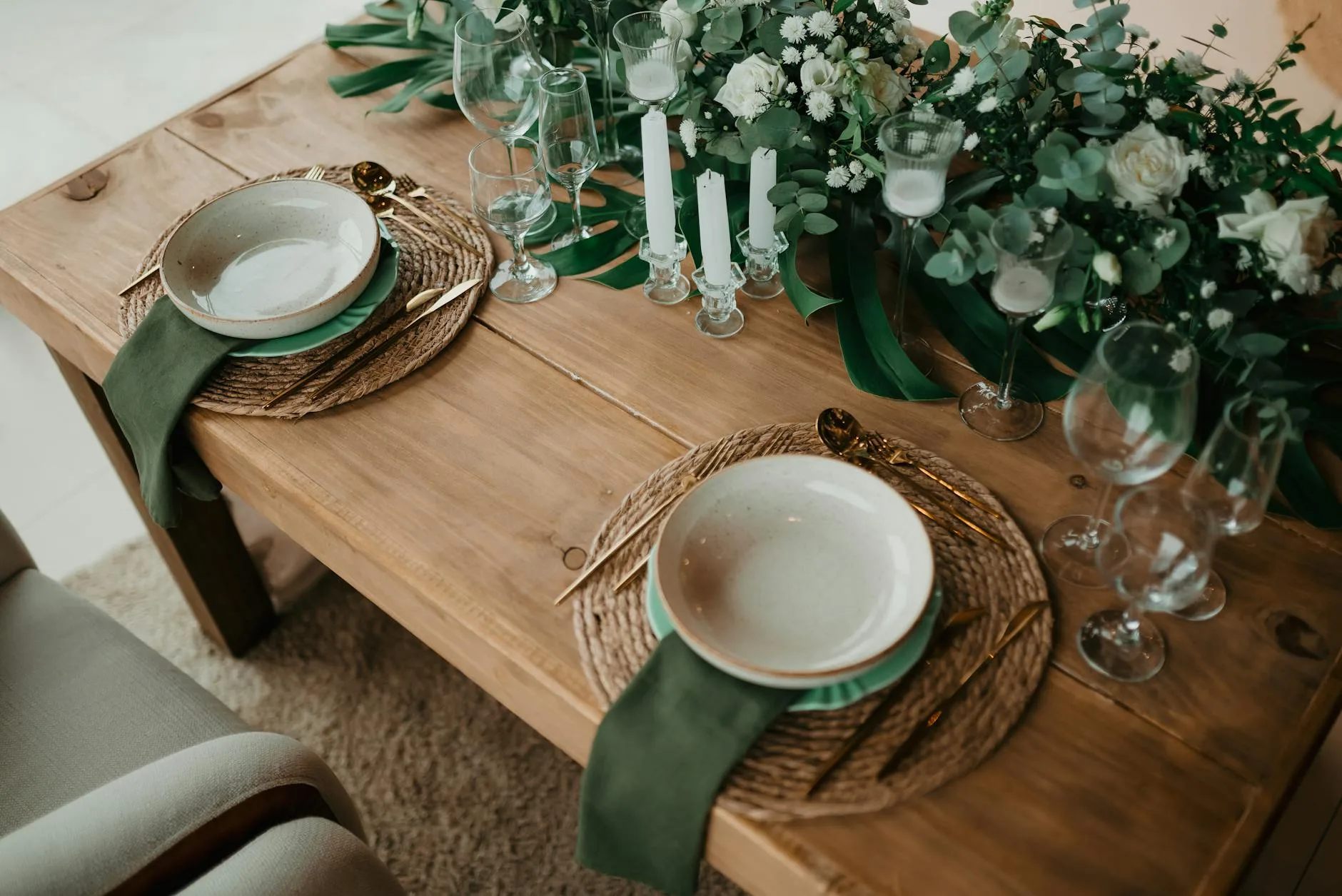
- Candles. Even one candle transforms a dining table. Tea lights cost almost nothing and create warm, flattering light
- Music. A jazz or lounge playlist at low volume. YouTube has free “dinner music” playlists that run for hours. Sound shapes the experience more than you’d think
- Clear the clutter. Move the random mail, laptop, and salt container off the table. A clear table with a simple setup — plates, napkins (cloth if you have them), and glasses — feels intentional
7. Three Complete Fancy Dinners Under ₹500
Here are three complete menus with estimated costs:
- Menu 1 — Crispy Chicken Thighs: Seared chicken thighs with lemon-butter pan sauce + roasted carrots and potatoes + steamed rice. Total: ~₹350
- Menu 2 — Garlic Butter Pasta: Spaghetti aglio e olio (garlic, olive oil, chili flakes, Parmesan) + simple green salad with lemon dressing + garlic bread (regular bread, butter, garlic, toasted). Total: ~₹250
- Menu 3 — Pan-Fried Paneer Bowl: Golden pan-fried paneer cubes + roasted vegetables (bell pepper, zucchini, onion) + jeera rice + yogurt-mint sauce. Total: ~₹400
None of these menus require advanced cooking skills. All of them use the same principles: a good sear, proper seasoning, roasted vegetables, a sauce, and clean plating. The technique is what makes ₹500 worth of groceries taste like a ₹2,000 dinner. Once you know these tricks, you’ll wonder why you ever ordered out for a special occasion.
Frequently Asked Questions
How do I make cheap food taste expensive?
Master the sear (hot pan, dry surface, don’t touch for 3-4 minutes), make a pan sauce from the drippings, roast vegetables at high heat instead of boiling, season properly with salt and acid (lemon), and finish with fresh herbs. Technique transforms cheap ingredients into restaurant-quality food.
What are the cheapest ingredients that look fancy?
Chicken thighs (cheaper and juicier than breast), pasta with garlic and olive oil, eggs (a runny yolk elevates anything), paneer or tofu pan-fried until golden, and root vegetables roasted until caramelized. All cost very little but look elegant with proper technique and plating.
How do I plate food like a restaurant?
Use white plates, leave negative space (don’t fill edge to edge), build height by stacking components, wipe the plate rim clean before serving, and add one intentional garnish — fresh herbs, a drizzle of oil, or sesame seeds. These 60-second touches make any meal look professional.
What is a pan sauce and how do I make one?
After searing protein, add a splash of liquid (water, stock, wine, or lemon juice) to the hot pan and scrape the brown bits from the bottom. These bits (called fond) are concentrated flavor. Swirl in a knob of butter, season, and pour over your protein. Takes 2 minutes and costs almost nothing.
How do I get a good sear on chicken?
Pat the chicken completely dry with a paper towel, heat the pan for 2-3 minutes until oil shimmers, place chicken skin-side down, and don’t touch it for 3-4 minutes. The crust forms from uninterrupted contact with the hot surface. Flip once when deep golden brown.
How do I create a restaurant atmosphere at home?
Dim or turn off overhead lights, light a candle (even one tea light works), play low-volume jazz or dinner music, clear all clutter from the table, and use cloth napkins if available. Ambiance is free and transforms the dining experience as much as the food itself.