
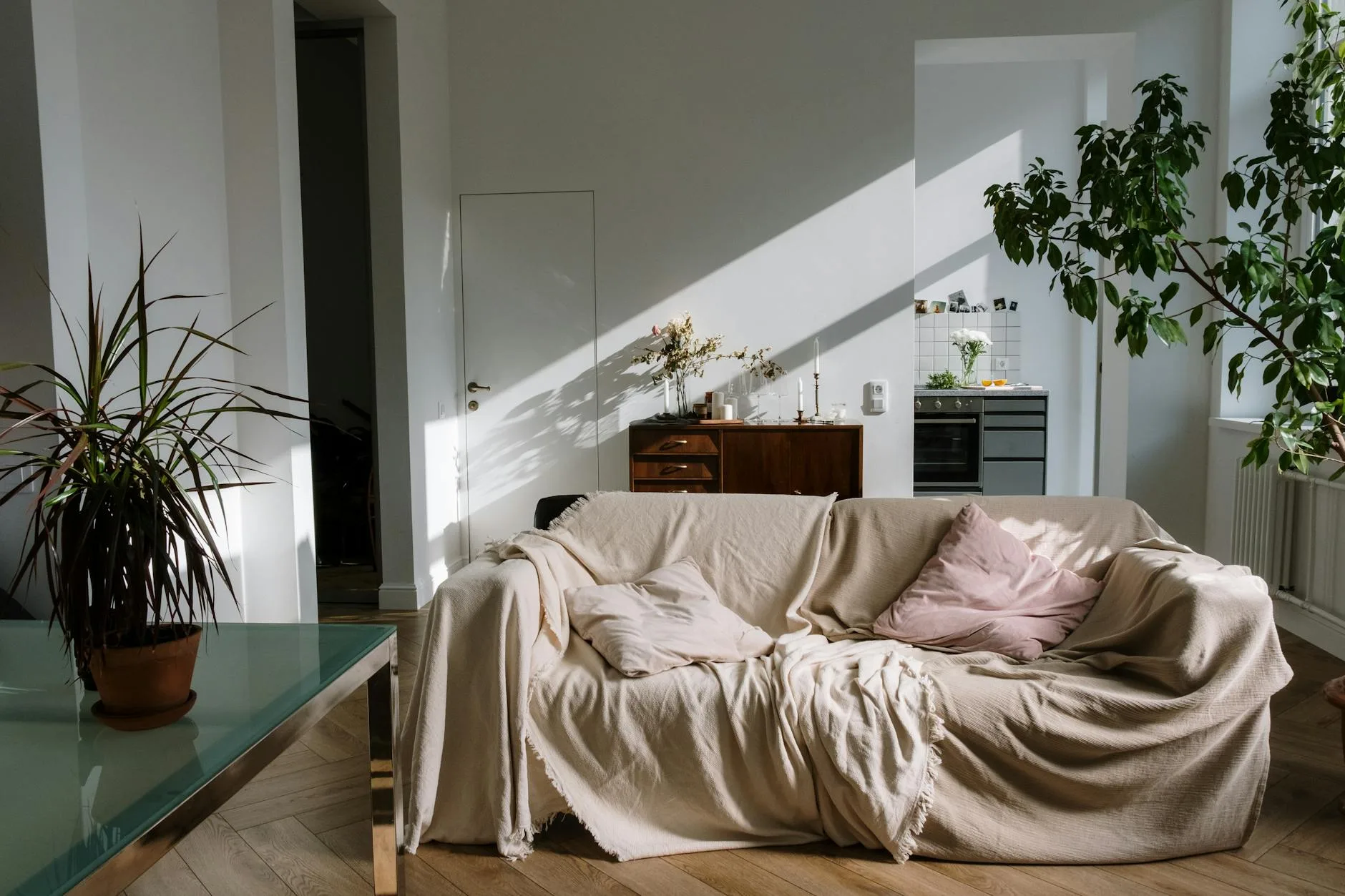
There’s a moment — somewhere between signing your lease and standing in a completely empty apartment — where the excitement of independence collides with a very practical question: how do I actually fill this place without emptying my bank account?
The average cost to furnish an apartment from scratch ranges from $1,500 to $5,000, according to 2026 estimates. Gen Z spends about $430 annually on furniture, while millennials average $770 — with 84% of Gen Z furniture purchases influenced by social media. That Instagram-perfect apartment you’ve been saving to your mood board? It probably cost five figures to put together.
But here’s what those perfectly staged photos don’t show you: you don’t need everything on day one. The smartest first-apartment strategy isn’t buying everything at once — it’s knowing what to buy first, what to buy later, and what to skip entirely.
This guide gives you a room-by-room priority system that keeps you comfortable from night one while spreading costs across several paychecks.
The Priority System: Think in Waves, Not All at Once
The biggest mistake first-time apartment dwellers make is treating move-in day like a shopping spree. They blow $3,000 at IKEA, realize they forgot a shower curtain, and eat takeout for a month because they bought a decorative fruit bowl instead of a frying pan.
Instead, think in three waves:
Wave 1 (Before move-in): Things you literally cannot sleep, shower, or eat without. Budget: $500–800.
Wave 2 (First two weeks): Things that make daily life functional and comfortable. Budget: $400–700.
Wave 3 (Month 1–3): Things that make your apartment feel like yours. Budget: $300–500+.
This approach does three things: prevents impulse buying, spreads costs across paychecks, and — crucially — gives you time to figure out what you actually need versus what you think you need.
Before You Buy Anything: Measure Everything
This isn’t optional. It’s the single most important step, and the one most people skip.
Measure your front door. Measure your hallways. Measure the doorways between rooms. Then measure the actual rooms. The number one first-apartment disaster story is buying a couch that physically cannot fit through your front door.
Save all measurements in your phone’s notes app with a photo of each room. When you’re standing in a store wondering “will this fit?”, you’ll have the answer in your pocket.
Wave 1: The Day-One Essentials ($500–800)
Bedroom — Your Recovery Zone
Your bed is the most important purchase you’ll make, and it’s one of the few things you should buy new. A quality mattress costs $300–600, and it directly affects your sleep, your energy, your mood, and your health for years.
Day-one bedroom list:
Mattress (buy new — hygiene matters), bed frame or platform (even a basic metal frame works), fitted sheet + flat sheet + pillowcases, two pillows, one blanket or comforter, and curtains or blinds for the windows. If your apartment doesn’t have overhead lighting in the bedroom, add a lamp.
Skip for now: headboard, decorative pillows, bedside tables (a cardboard box or stack of books works temporarily), area rugs.
Bathroom — The Forgotten Room
People remember to buy towels. They forget everything else. Here’s what you actually need on day one:
Shower curtain + rings (apartments rarely include these), bath towel (at least two), hand towel, bath mat, toilet paper (buy a 12-pack), toilet brush, plunger (buy this before you need it), hand soap, and your personal toiletries.
Skip for now: bathroom storage organizers, matching towel sets, candles, decorative items.
Kitchen — Survival Mode
You don’t need a fully stocked kitchen on day one. You need enough to avoid ordering $15 delivery meals three times a day. That means:
One skillet (10-inch, nonstick), one saucepan with lid, one chef’s knife, one cutting board, dish soap + sponge, four each of plates, bowls, forks, knives, and spoons, two glasses and two mugs, one spatula, one can opener, paper towels, trash bags, and basic pantry staples (salt, pepper, cooking oil).
Skip for now: air fryer, instant pot, blender, toaster oven, matching dinnerware sets, wine glasses, specialty utensils.
Cleaning Supplies — Non-Negotiable
All-purpose cleaner spray, broom + dustpan, a roll of paper towels, trash bags (kitchen and bathroom sizes), and one microfiber cloth. That’s it. You can deep-clean later — right now you just need to handle daily messes.
Wave 2: Making It Functional (Weeks 1–2, $400–700)
You’ve survived the first few nights. You can sleep, shower, and cook basic meals. Now make the place actually livable.
Living Room
A couch or comfortable seating is the obvious addition, but consider your space first. If your living room is small, a loveseat or even two comfortable chairs might work better than a full sofa. Look for secondhand options — Facebook Marketplace and Craigslist have couches for $50–200 that retail for $500+.
Add a surface for eating and working. A simple folding table works if you’re tight on space. If you work from home, this doubles as your desk.
Lighting makes a massive difference. Replace harsh overhead bulbs with warm-toned alternatives, or add a floor lamp. Good lighting is the cheapest way to make any apartment feel ten times better.
Kitchen Upgrades
Now add: a microwave (if your apartment doesn’t have one built in), a kettle or coffee maker, a baking sheet, a colander, storage containers for leftovers, more spices, and aluminum foil or plastic wrap.
At this point, you should also stock your pantry with staples: rice or pasta, canned beans, eggs, bread, butter, and whatever basics you cook with regularly. Having food at home is the fastest way to save money in your first apartment.
Bedroom Comfort
Add a nightstand or small table (check thrift stores — these are always available for under $20), hangers for your closet, and a hamper for dirty laundry. If you don’t have closet storage built in, a $15 set of plastic drawers from any big box store works perfectly.
Wave 3: Making It Yours (Month 1–3, $300–500+)
This is where your apartment stops being a place you sleep and starts being a place you live. But there’s a reason this comes last: by month two, you know how you actually use your space.
Maybe you thought you needed a dining table, but you eat at the kitchen counter. Maybe you assumed you’d need a desk, but you work from the couch. Let your actual habits guide your purchases instead of guessing.
Consider adding: wall art or photos (command strips, not nails — protect that security deposit), a bookshelf or storage unit, a full-length mirror, plants (even fake ones add warmth), a rug for the living room, extra kitchen gadgets you’ve realized you actually want, and bathroom storage organizers.
Where to Find Deals (Without Sacrificing Quality)
The difference between a $3,000 apartment setup and a $1,500 one usually isn’t quality — it’s where you shop.
Facebook Marketplace and Craigslist: The best source for furniture. Filter by distance, always inspect in person, and bring a friend. Negotiate — most sellers expect it.
College move-out season (May–June): Students dump nearly-new furniture every spring. Dorm areas are goldmines for desks, bookshelves, microwaves, and mini-fridges — often free on the curb.
Estate sales: Higher quality furniture at thrift store prices. Search estatesales.net for your area.
IKEA As-Is section: Floor models and returned items at 30–50% off. Available in-store only.
End-of-month timing: People moving out at month’s end often post “must go today” listings at deep discounts.
Buy Nothing groups: Facebook groups where neighbors give away items for free. Search “Buy Nothing [your neighborhood]” on Facebook.
The Hidden Costs Nobody Warns You About
Furniture is the obvious expense. These are the ones that surprise people:
Security deposit: Usually one month’s rent, due before move-in. Budget for this months in advance.
First-month utilities: Electric, gas, water, internet — expect $150–300 in setup fees and first-month charges. Many utility companies require deposits for first-time customers.
Internet setup: Installation fees can be $50–100, plus you may need to buy a router ($60–120) to avoid monthly rental fees. Buying your own router pays for itself in 6–8 months.
Renters insurance: $15–30 per month, and most leases require it. It covers theft, fire, and liability. This is genuinely worth it — one stolen laptop and it pays for itself.
Light bulbs and batteries: Apartments often have empty sockets. Budget $20–30 for LED bulbs (they last years and save on electricity).
Basic toolkit: A screwdriver set, hammer, measuring tape, and picture hanging kit will run you $15–25 and save you from calling maintenance for simple fixes.
One-Page Cheat Sheet: The $1,800 First Apartment
Here’s a realistic budget for setting up a comfortable first apartment using a mix of new essentials and secondhand finds:
Bedroom ($550): Mattress $400 (new), bed frame $80 (new/secondhand), bedding set $50 (new), pillows $20 (new).
Bathroom ($60): Towels $25, shower curtain + rings $15, bath mat $10, toiletries + toilet paper $10.
Kitchen ($180): Skillet + saucepan $40, knife + cutting board $20, dishes + utensils set $30, microwave $60 (secondhand), coffee maker $20, miscellaneous (soap, sponge, pantry staples) $10.
Living Room ($350): Couch $200 (secondhand), table $50 (secondhand), floor lamp $30, TV or monitor $70 (secondhand, optional).
Cleaning + Safety ($40): All-purpose cleaner $5, broom + dustpan $10, trash bags $5, plunger $8, basic toolkit $12.
Hidden Costs ($620): Renters insurance first month $25, internet setup $100, utility deposits $200, light bulbs + batteries $25, router $70, miscellaneous $200.
Total: ~$1,800
That’s a fully functional apartment — comfortable bed, working kitchen, a place to sit, a clean bathroom, and all the invisible costs covered. Add personality items in Wave 3 as your budget allows.
The Mindset Shift That Saves You Thousands
Here’s the counterintuitive truth about first apartments: the emptier your apartment starts, the better it ends up.
When you buy everything at once, you’re guessing. You buy what you think you need, what looks good in the store, what Instagram told you was essential. Half of it ends up being wrong.
When you buy in waves, you’re responding to reality. You discover that you need a longer charging cable, not a nightstand. That a folding table works better than a desk. That you cook more than you expected and actually want that cast iron skillet.
Your apartment will fill up. It always does. The question is whether it fills up with things you chose deliberately or things you grabbed in a panicked Target run on day one.
Choose deliberately. Your wallet — and your apartment — will thank you.
Frequently Asked Questions
How much does it cost to set up a first apartment?
You can set up a comfortable first apartment for $1,500 to $3,000 if you shop smart. The biggest expense is usually a mattress ($300-600). By buying secondhand furniture, using marketplace apps, and prioritizing essentials over nice-to-haves, many people furnish their entire place for under $2,000.
What should I buy first for my apartment?
Buy in this exact priority order: (1) mattress and bedding — you need sleep, (2) toilet paper, towels, and shower curtain — bathroom basics, (3) one pan, one pot, one knife, and a cutting board — so you can cook instead of ordering delivery, (4) cleaning supplies — broom, all-purpose cleaner, trash bags. Everything else can wait a week or two.
What do most people forget when moving into their first apartment?
The most commonly forgotten items are: a shower curtain and rings, a toilet plunger (you’ll need it eventually), light bulbs (apartments often have empty sockets), a basic toolkit (screwdriver, hammer, measuring tape), and trash cans for each room. Also, many people forget to budget for first-month utilities and internet setup fees.
Should I buy furniture new or secondhand for my first apartment?
Buy your mattress new (for hygiene), but almost everything else can be secondhand. Facebook Marketplace, Craigslist, estate sales, and thrift stores often have quality furniture at 60-80% off retail. College move-out season (May-June) is especially good for deals. The one exception: avoid secondhand upholstered furniture unless you can thoroughly inspect it.
How do I make a small apartment feel bigger?
Five proven tricks: use mirrors to create depth, choose furniture with visible legs (it shows more floor), stick to a light color palette, use vertical storage (shelves, hooks, over-door organizers), and keep surfaces clear. The single biggest impact comes from good lighting — replace harsh overhead bulbs with warm, layered light sources.
What kitchen appliances do I actually need in my first apartment?
Start with just three: a microwave, a kettle or coffee maker, and a toaster. That’s it. Skip the air fryer, instant pot, and blender until you’ve lived there a month and know what you actually cook. Most first-apartment kitchens are small — counter space is more valuable than gadgets you’ll use once.