
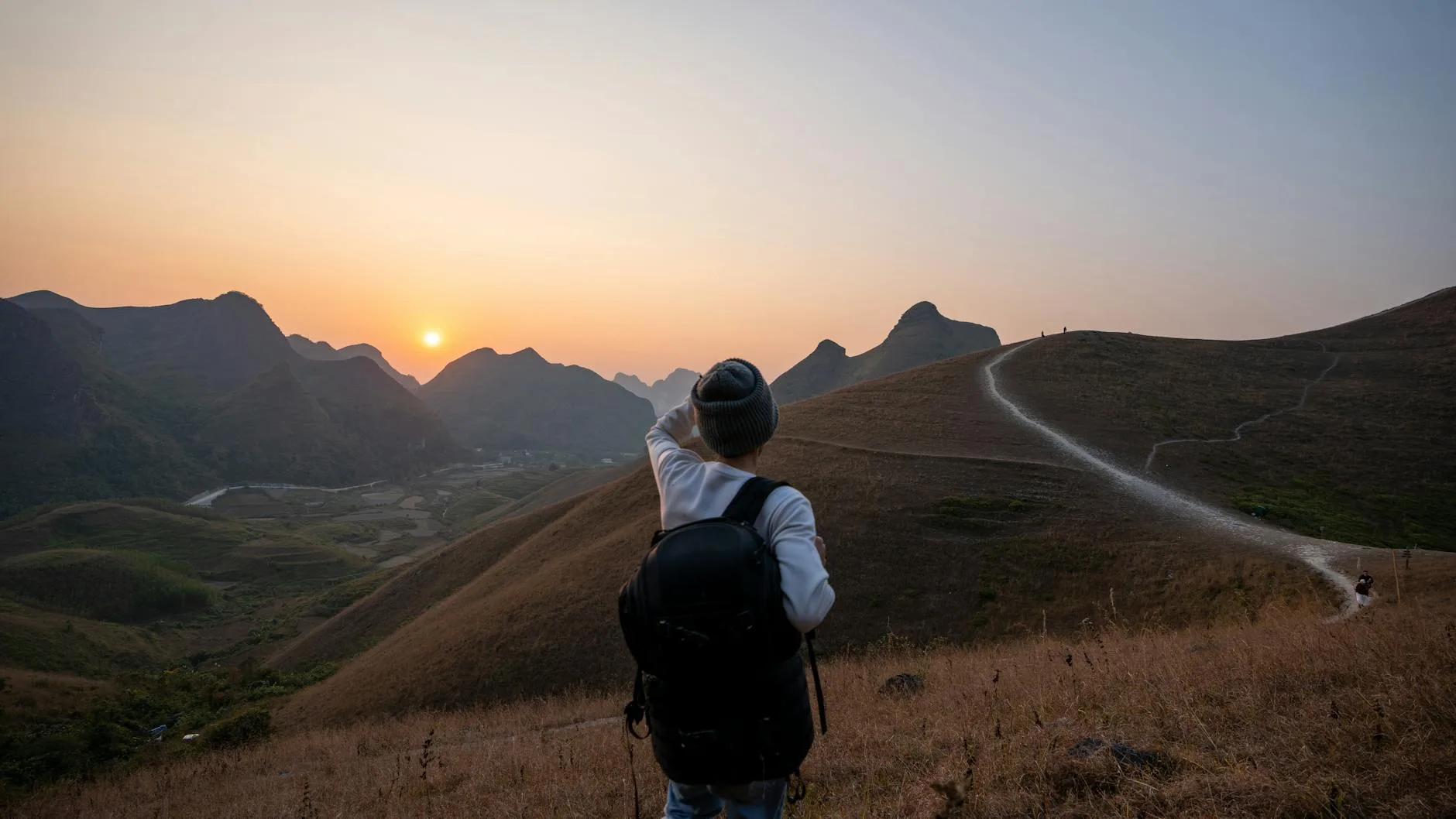
Quick Answer: Start with a safe, tourist-friendly destination. Book accommodation with social spaces (hostels or co-living). Share your itinerary with someone you trust. Keep digital copies of all documents. And remember — feeling nervous is completely normal. It goes away within hours of arriving.
Everyone who travels solo for the first time has the same thought: “What if I hate it?” What if you get lonely? What if something goes wrong and there’s nobody there to help?
Here’s the truth that experienced solo travelers won’t shut up about: once you actually do it, you’ll wonder why you waited so long. But getting past that initial fear is real, and it helps to have a plan.
Here’s everything you need to know before your first solo trip.
Pick the Right First Destination
Your first solo trip isn’t the time for an extreme adventure in a remote location. Pick somewhere that’s tourist-friendly, easy to navigate, and has reliable public transportation.
Good first solo destinations tend to share these traits: English is widely spoken (or your language), the tourism infrastructure is strong, it’s generally safe, and other solo travelers go there too. Places like Portugal, Japan, Thailand, New Zealand, and major European cities are popular first solo destinations for good reasons.
Start with 5-7 days. Long enough to settle in but short enough that you won’t feel trapped if you’re struggling.
Book Accommodation With Social Spaces
The number one fear with solo travel is loneliness. The easiest fix? Stay somewhere designed for meeting people.
Hostels with common rooms, rooftop bars, and organized activities are gold for solo travelers. You don’t have to be in your 20s — many hostels cater to all ages. If hostels aren’t your style, look for guesthouses, co-living spaces, or boutique hotels with communal areas. Airbnb is great but can feel isolating when you’re traveling alone for the first time.
Book at least your first two nights before arriving. Having a confirmed place to go when you land removes a huge source of anxiety.
Share Your Itinerary With Someone
Before you leave, share your complete itinerary with a trusted friend or family member. Include your accommodation addresses, flight details, and a rough daily plan.
Set up location sharing on your phone with one or two people. Check in daily — even a simple “I’m good” text. This isn’t paranoia; it’s just common sense that solo travelers are responsible for their own safety net.
Save emergency contacts for your destination: local police, your country’s nearest embassy, and your travel insurance hotline.
Keep Digital Copies of Everything
Losing your passport in a foreign country when you’re alone is a nightmare scenario — unless you’re prepared for it.
Take photos of your passport, visa, travel insurance, hotel bookings, and credit cards. Store them in a secure cloud folder (Google Drive, iCloud) and email copies to yourself. Keep a physical copy of your passport in a separate bag from the original.
Also write down important numbers — your bank’s international line, insurance company, and embassy — on paper. Your phone dying shouldn’t leave you completely helpless.
Handle Money Smartly
Never carry all your money in one place. Split your cash between your wallet, a hidden money belt, and your accommodation’s safe or locked bag.
Bring at least two different bank cards — if one gets blocked or stolen, you have a backup. Notify your bank about your travel dates so they don’t freeze your card for “suspicious” foreign transactions.
Download your banking app and check it daily. Spotting unauthorized charges early is much easier than disputing them later.
Learn to Eat Alone (It’s Not Weird)
Eating alone in a restaurant feels awkward exactly once. After that, it becomes one of the best parts of solo travel.
Sit at the bar or counter instead of a table — it feels less conspicuous and servers often chat with you. Street food and markets are perfect for solo dining because nobody sits down. Bring a book, journal, or just people-watch. Once you realize nobody is looking at you or judging, dining alone becomes genuinely enjoyable.
Food tours are another great option — you eat amazing food while meeting other travelers in a small group.
Stay Safe Without Being Paranoid
Solo travel safety is mostly common sense applied more carefully. Trust your instincts — if a situation feels wrong, leave. You don’t owe anyone politeness when your safety is at stake.
Practical safety habits that make a real difference:
- Walk with purpose, even when you’re lost — looking confident deters most trouble
- Don’t flash expensive electronics or jewelry in unfamiliar areas
- Avoid walking alone in poorly lit or empty areas at night
- Keep your phone charged and data active at all times
- Tell your accommodation staff where you’re going each day
Research common scams in your destination before you arrive. Most tourist scams follow predictable patterns that are easy to avoid once you know about them.
Deal With Loneliness Head-On
You will probably feel lonely at some point. That’s normal and doesn’t mean solo travel isn’t for you. It usually hits hardest at dinner on day two or three.
The fix isn’t avoiding loneliness — it’s having strategies ready. Join a walking tour. Sit in the hostel common room. Use apps like Meetup, Couchsurfing Hangouts, or Bumble BFF. Strike up a conversation at a coffee shop. Most other solo travelers are waiting for someone to talk to them first.
Also give yourself permission to be alone. There’s a difference between loneliness and solitude. Some of the best travel moments happen when you’re sitting somewhere beautiful with no one to perform for.
Don’t Over-Plan (But Have a Loose Framework)
One of the biggest advantages of solo travel is flexibility. You can change your plan at any time because you don’t need group consensus.
Have a loose daily framework — know what neighborhood you want to explore, what one or two things you’d like to see — but leave room for spontaneity. Over-planned trips feel like work. Under-planned trips feel aimless. The sweet spot is having enough structure that you’re not paralyzed by choices, with enough flexibility to follow interesting detours.
Book major attractions or time-sensitive activities in advance. Leave everything else open.
The First Day Is the Hardest
Landing in a new city alone is overwhelming. Everything feels unfamiliar, you’re probably jetlagged, and your brain is screaming that this was a terrible idea.
This is completely normal. Give yourself permission to have a slow first day. Get to your accommodation, walk around the immediate neighborhood, find a coffee shop, get oriented. Don’t try to see everything on day one. By day two, the anxiety shrinks dramatically and by day three, you’ll feel like a local navigating with confidence.
Solo travel changes how you see yourself. It proves you can handle unfamiliar situations, make decisions independently, and be comfortable in your own company. That confidence follows you home and stays long after the tan fades.
Frequently Asked Questions
Is it safe to travel alone for the first time?
Yes, with basic precautions. Choose a tourist-friendly destination, share your itinerary with someone, stay aware of your surroundings, and trust your instincts. Millions of people travel solo safely every year.
How do I deal with loneliness when traveling alone?
Stay in hostels or social accommodations, join walking tours or food tours, use apps like Meetup or Couchsurfing Hangouts, and be open to conversations. Loneliness usually hits around day 2-3 and fades as you settle in.
What's the best first solo travel destination?
Look for places that are tourist-friendly, safe, easy to navigate with public transit, and where English is commonly spoken. Popular first choices include Portugal, Japan, Thailand, New Zealand, and major European cities.
How long should a first solo trip be?
5-7 days is the sweet spot. It’s long enough to settle into the rhythm of solo travel but short enough that you won’t feel overwhelmed if you struggle at first.
Is eating alone in restaurants awkward?
Only the first time. After that, it becomes one of the best parts of solo travel. Sit at the bar or counter, bring a book, or try street food markets where sitting alone isn’t even a thing.
What should I do if I lose my passport while traveling alone?
Contact your country’s nearest embassy or consulate immediately. Having digital copies stored in the cloud and a physical photocopy in a separate bag makes the replacement process much faster and easier.